Yes, end on cold. No, don’t warm up afterwards. That two-sentence protocol is the Søberg Principle, and it is the single most specific instruction to come out of cold therapy research. But the reason it works isn’t what most people think. When Dr Susanna Søberg, a metabolic researcher at the University of Copenhagen, compared winter swimmers with sedentary controls in a 2021 study published in Cell Reports Medicine00266-4), she expected to find that the cold-adapted swimmers had more brown adipose tissue. They didn’t. “We expected winter swimmers to have more brown fat than the control subjects,” Søberg has said, “but it turned out that they instead had better thermoregulation.” Their bodies had learned to light the furnace they already had.
That finding changes how you should think about what happens after the plunge — and the molecular mechanism behind it is clearer than most people realise.
Why shivering matters: the molecular chain
Here is where the science gets genuinely interesting, and where the Søberg Principle stops being a podcast tip and starts being a physiological argument.
When you step out of cold water and resist the impulse to warm up, your skeletal muscles begin to shiver. Everyone knows this. What most people don’t know is what shivering actually produces at a molecular level.
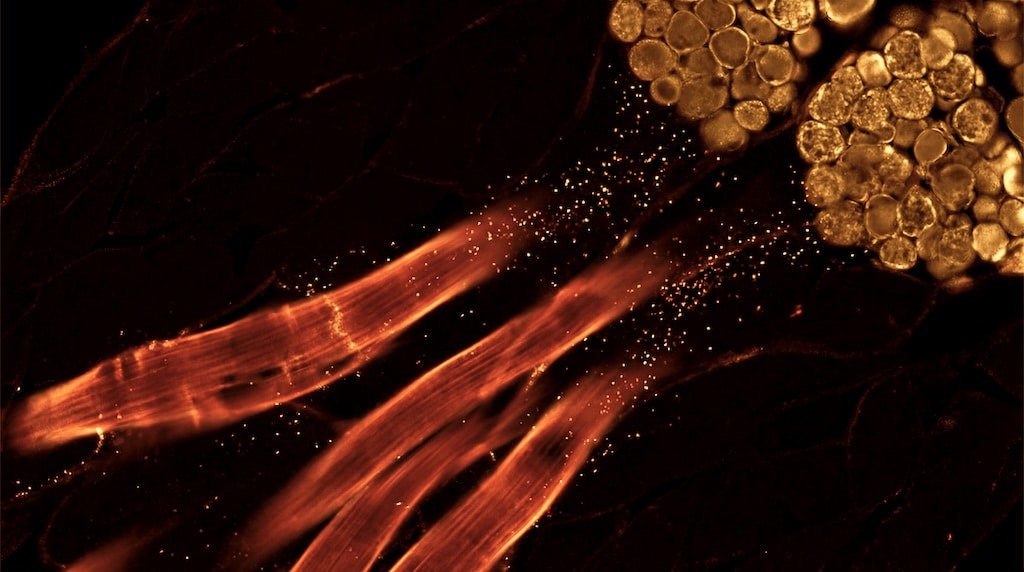
A 2018 study in Nature by Mills and colleagues at Harvard Medical School identified a specific metabolite called succinate (succinic acid) as a key driver of cold-induced thermogenesis. During cold exposure, succinate accumulates in brown fat tissue, where it activates a thermogenic programme in brown adipocytes, switching on their capacity to burn energy as heat rather than storing it. Here is what matters most: shivering skeletal muscle is a major source of that circulating succinate. When your muscles contract involuntarily in the cold, they release succinic acid into the bloodstream, which travels to brown fat deposits and triggers thermogenic respiration. Mills’s team demonstrated that succinate alone was sufficient to activate this process, even without ongoing cold stimulus.
Ending on cold matters because warming up artificially short-circuits this entire chain. Here is the chain: cold water lowers core and peripheral temperature. You exit the water. Your muscles begin to shiver. Shivering muscle releases succinate. Succinate reaches brown fat. Brown fat activates thermogenesis. Your body generates its own heat through metabolic work. Wrapping yourself in a heated blanket or stepping into a hot shower interrupts this chain before the metabolic work is done. You’ve endured the cold without triggering the downstream response that makes it count.
Søberg herself has described shivering as ‘training for your metabolism,’ and the succinate pathway is the mechanism that makes that phrase precise rather than motivational.
The honest complication: brown fat versus muscle
There is a wrinkle, and it makes the protocol more credible, not less.
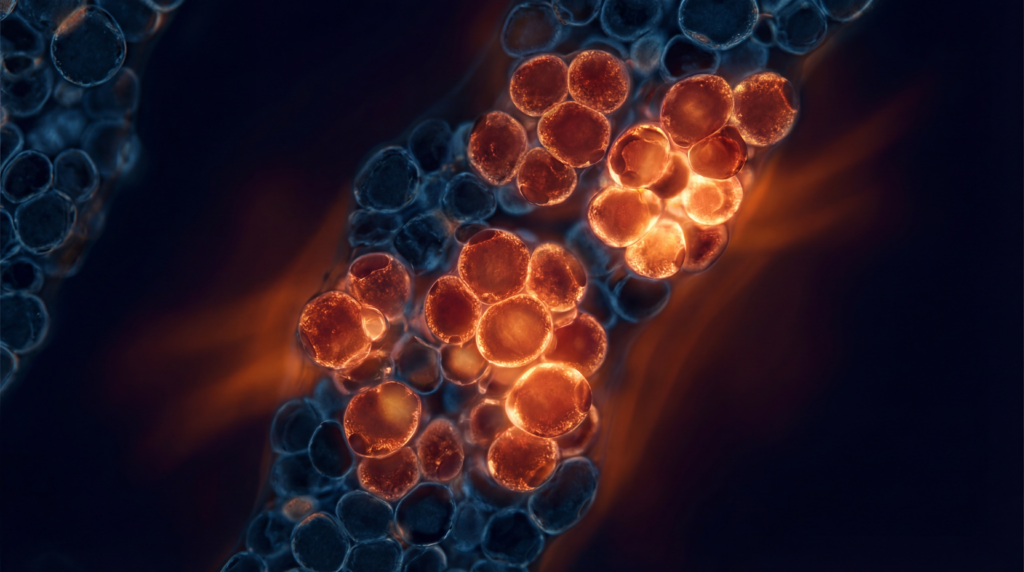
A 2023 perspective in Nature Metabolism by Townsend and colleagues at the National Institutes of Health argued that brown adipose tissue may contribute less than one per cent of total energy expenditure during cold exposure in adult humans. The authors proposed that skeletal muscle, through both shivering and non-shivering thermogenesis, is likely the primary driver of metabolic benefits from cold. If they’re right — and the evidence increasingly points that way — the instruction to let yourself shiver becomes significantly more important: the muscular work isn’t just a signalling step for brown fat activation but may be where most of the metabolic benefit originates. Whether the effect flows primarily through succinate-activated brown fat, direct muscular thermogenesis, or some combination, the practical instruction is the same. End on cold. Don’t warm up. Let the shivering happen.
The practical protocol
The sequence matters. Here is what the Søberg protocol looks like in practice, whether you’re cycling between a sauna and cold plunge or using a cold plunge at home.
Start with heat: sauna, steam room, or hot bath (80–100°C for dry sauna, 38–42°C for water). Move to cold: cold plunge, cold shower, or outdoor swim at 4–15°C. If you’re doing multiple rounds of contrast therapy, alternate freely, but always finish the session with cold. The final thermal stimulus your body receives should be cold.
After the plunge, step out and do nothing thermal. No hot shower. Towel off if you like. Pull on a robe or warm clothing, because passive insulation doesn’t inject external heat. Then sit with it. Shivering will come. Let it.
You don’t need extreme temperatures. Søberg’s winter swimmers were dipping in Scandinavian coastal waters that ranged from roughly 2–8°C depending on season. For most people, water between 5°C and 15°C is cold enough to trigger the thermogenic response. Operational data from icebaths.com installations shows about 70 per cent of users settle on moderate cold rather than the lowest available temperature, which aligns with Søberg’s recommendation that extreme cold isn’t required.
Huberman extracted a minimum effective dose from the research: approximately 11 minutes of total cold exposure per week, divided across two to four sessions (three sessions of three to four minutes each, or two longer sessions), plus about 57 minutes of heat exposure per week. These are thresholds, not precise prescriptions.
What not to do: don’t end on heat. If you finish your contrast session in the sauna, you’ve reversed the protocol. Don’t jump into a hot shower immediately after the plunge. Don’t rush to your car and blast the heater. If you’re new to cold exposure and find the post-plunge shivering genuinely distressing, wrapping up in a warm robe and sitting in a comfortable space is a reasonable concession while you adapt. A hot shower is not.
What this looks like in a commercial setting
The ‘don’t warm up’ instruction sounds simple at home. In a commercial wellness environment, it requires design thinking.
At Rekoop Flex in Singapore, contrast therapy sessions run through private suites with infrared sauna and cold plunge at 4–10°C, with temperature control precise enough for clients to follow the protocol cold-by-cold. But the post-plunge environment matters as much as the plunge itself: warm robes available, comfortable seating, no immediate access to a hot shower that would undo the session’s final act. In a private suite, the shivering phase is something you settle into rather than perform in front of strangers — a spatial detail worth getting right for anyone designing a contrast therapy offering.
What happens after the water
Most cold therapy advice focuses on the plunge itself: how cold, how long, how to breathe. The Søberg Principle shifts the emphasis to what happens next. The protocol’s real work begins when you step out of the water and your body starts generating its own heat through a specific molecular chain, from shivering muscle to circulating succinate to activated brown fat.
That period after the plunge — the two or three minutes when you’re standing in a robe wondering why you don’t just take a hot shower — is not the cost of the benefit. It is the benefit. The goosebumps, the jaw clenching, the slow wave of warmth that starts somewhere behind your sternum: that’s your metabolism practising. Let it.


