
Finding a sauna and cold plunge near you has never been easier. Google Maps will surface half a dozen options. Yelp will give you star ratings. A new wave of directories and studio apps will serve you booking links before you finish typing. The discovery problem is solved.
The quality problem is not.
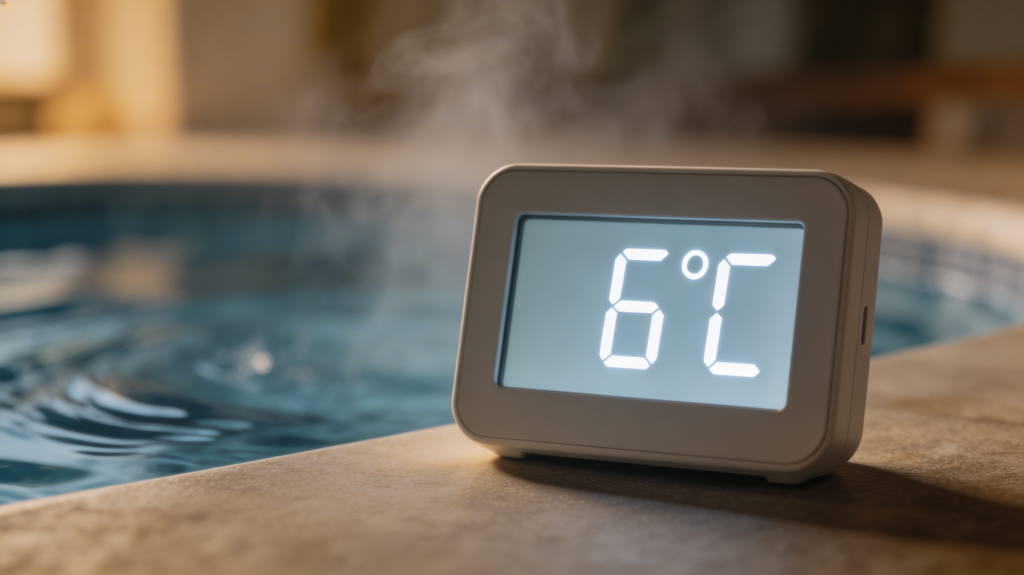
The gap between a well-designed contrast therapy experience and a disappointing one is significant, and almost nothing in a listing, review, or Instagram feed will help you see it. One five-star hotel in Bali ran its “cold plunge” at 16°C for months before upgrading to a chiller-maintained 6°C. Daily usage jumped from modest to over 50 sessions. Same pool, same location, same guests. The only thing that changed was 10 degrees of water temperature. That kind of difference is invisible from a search result.
Contrast therapy is expanding at speed, with major franchise brands opening two new locations per week and recovery clubs launching inside hotels worldwide. More choice is good. But more choice without a way to judge it just means more chances to spend $50 on a lukewarm tub. What follows is the set of questions you should ask before you book anywhere, drawn from patterns observed across installations in five-star hotels and commercial wellness facilities across Southeast Asia and beyond.
Temperature: the question most people forget to ask
If you ask only one question before visiting a contrast therapy facility, make it this: what temperature is the cold water, and how is it maintained?
Experientially, 15°C and 5°C are not close. At 15°C, the water feels brisk. At 5°C, it takes your breath away. Both can be called a “cold plunge” on a website. They are not the same experience.
Temperature shifts considerably over a session. An ice-cooled tub starts cold and warms steadily as bodies cycle through it. By mid-afternoon on a busy day, a plunge that opened at 8°C might be sitting at 14°C. A chiller-maintained system holds its set point regardless of traffic — a critical difference for the person booking the 4pm slot.
A good facility will tell you the exact temperature range. A great one will show you the live reading when you walk in. If the front desk can’t answer the question, that tells you something about how seriously the operation takes the cold side of the equation.
Sauna temperature deserves the same attention. Ask whether it’s a traditional sauna (typically 80–100°C) or infrared (usually 45–65°C). Both have merit, but the better question is whether the sauna is hot enough to produce a genuine sweat within 10 to 15 minutes. If it isn’t, the contrast won’t feel like much.
Hygiene: what you can’t see matters most
You will never judge water quality by looking at it — clear water can be poorly sanitised, which is why hygiene demands the sharpest questioning of all.
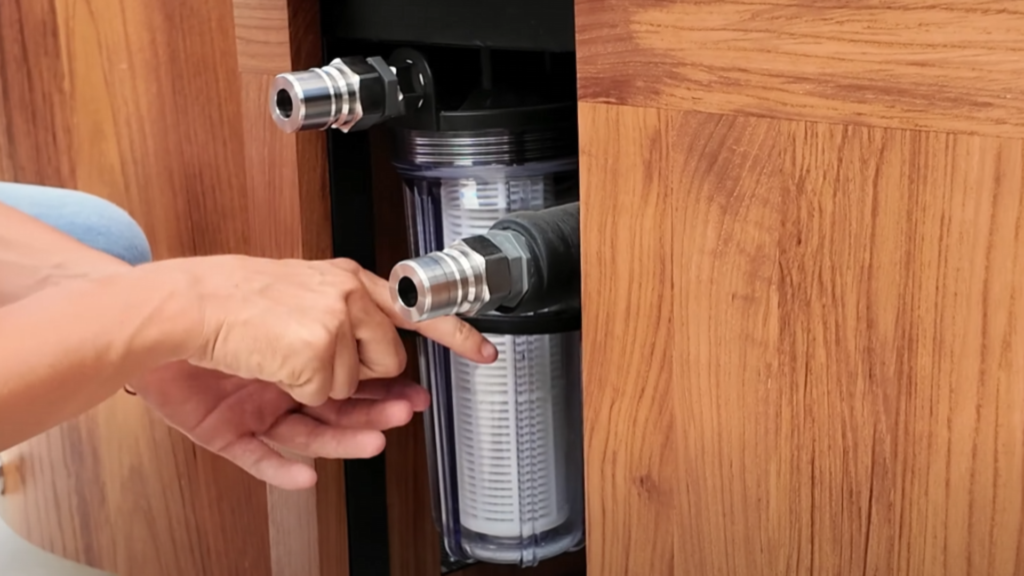
Shared cold plunge systems carry compounding exposure risk: every user introduces bacteria, sweat, skin cells, and whatever was on their feet. A facility running 30 to 50 guests through a single plunge per day needs sanitation systems engineered for that volume, and as Generator Athlete Lab notes, residential filtration systems are sometimes no larger than a coffee cup. Compare that to a commercial-rated system with UV sterilisation, ozone treatment, and multi-stage filtration, and the price differential between facilities starts to make sense.
Three questions cut through the ambiguity:
What sanitation method do you use? UV combined with ozone is the current commercial standard. Chlorine alone works but carries its own issues: skin irritation, chemical smell, and the question of whether levels are properly monitored.
How often does the full water volume cycle through filtration? In a well-run system, the entire volume passes through filtration multiple times per hour.
Are guests required to shower before entering the plunge? Pre-entry showers are the norm in Scandinavian bathing culture and in high-end spas. If they’re not required, the operation may be prioritising throughput over water quality.
A facility that answers these questions confidently is one that has thought about the problem. A facility that can’t is telling you something worth hearing.
Design and proximity: how the space changes the experience
How far you walk between sauna and plunge is one of the most overlooked quality signals in contrast therapy, and one of the easiest to verify.
A facility where the plunge sits three steps from the sauna door creates a continuous experience: heat builds, you step out, you’re in cold water within seconds. That tight transition is physiologically and psychologically different from walking down a corridor in a towel, passing a reception desk, opening a second door, and arriving at a tub. It doesn’t just feel awkward. It dilutes the contrast.
Look for a rest area, too. Classical contrast therapy isn’t heat then cold. It’s heat, cold, rest, repeat. Rest, sitting or lying quietly for five to ten minutes between rounds, is where the deep calm settles in, and it’s the phase most budget facilities cut because rest areas occupy floor space that doesn’t directly generate revenue. If there’s nowhere to sit quietly between rounds except a changing-room bench, the facility has prioritised equipment over experience. Considered materials and thoughtful lighting reflect an operator who thinks about the full session, not just the equipment list.
Experience structure: onboarding, session flow, and rest
A first visit to a contrast therapy facility should come with proper guidance: not a waiver and a wave toward the sauna, but a brief explanation of how the session works, what temperatures to expect, how long to stay in each phase, and what to do if the cold feels overwhelming. Whether a guest returns weekly or never comes back often traces to the first three minutes of their first visit.
Session length matters more than people assume. If the facility books 30-minute slots, ask whether that includes changing time. A 30-minute block that actually delivers 20 minutes of usable session time will limit you to one contrast round, maybe two if you rush. Dr Susanna Søberg, a physiologist and founder of the Søberg Institute, recommends roughly 11 minutes of total cold exposure and 57 minutes of heat per week across two to three sessions, ending on cold. You don’t need to follow her protocol precisely, but it provides a useful benchmark: does the facility give you enough time for two or three full rounds of heat, cold, and rest? Can you choose to end your session on cold rather than being ushered back to the sauna for a final warm-up? If the answer to either is no, the session structure is limiting your experience.
Check whether the facility is guided or self-directed before you book. A guided session suits first-timers; self-directed access suits experienced users who know their rhythm.
Chiller vs. ice: the technical distinction worth knowing
Cold plunges are cooled in one of two ways: a mechanical chiller that circulates and cools the water continuously, or ice, either dumped in manually or dispensed from a machine.
A chiller-maintained plunge holds a consistent temperature all day. Whether you’re the first user at 7am or the last at 9pm, the water is the same. It’s also filtered continuously, which ties back to the hygiene question. An ice-cooled plunge starts at its coldest when the ice is fresh and warms steadily from there. Temperature varies with how recently the ice was added, how many people have used the tub, the ambient temperature of the room, and the volume of water. Some facilities manage this well with regular ice additions and diligent monitoring. Others do not, and you end up in tepid water that was cold four hours ago.
Neither method is a dealbreaker on its own. But if the facility advertises a specific temperature (“Our plunge is maintained at 4°C”), ask whether that’s a chiller set point or an ice-cooled target. One is a guarantee; the other is an aspiration.
Pricing and access: what’s normal, what’s inflated
Contrast therapy pricing has settled into a recognisable range. A single drop-in session at a dedicated studio typically runs $30 to $70, depending on the city and what’s included. Monthly unlimited memberships generally fall between $100 and $200, with $150 as a common midpoint. Premium memberships that include private suites, extended hours, or additional modalities can reach $200 to $250.
Two patterns warrant scrutiny. First: a facility charging premium rates ($60+ per session) without the infrastructure to justify it — no chiller, minimal sanitation investment, no rest area, rushed session times. Second: an unusually low price ($15–$20), which may indicate a gym or spa has added a cold tub as an afterthought rather than building a genuine contrast therapy experience. In both cases, the questions from this article will tell you more than the price tag.
Ask what’s included before you book. Towel rental fees, locker charges, and mandatory add-ons can shift a reasonable-looking price into an irritating one. Well-run facilities bundle everything into one clear number.
Before you go: practical details
Bring a swimsuit, a water bottle, and flip-flops or sandals. Most facilities provide towels, but confirm before you go. If you run cold easily, bring a warm layer for afterwards; the post-session chill is mild but real, and walking to your car in a hoodie beats a damp t-shirt.
Avoid eating a large meal within an hour of your session. Hydrate well beforehand. If it’s your first time, tell the staff. Good facilities will adjust their guidance accordingly.
How to actually find facilities
Start with Google Maps: search “contrast therapy,” “cold plunge,” or “sauna and cold plunge” with your location. Studio directories and franchise locators (SweatHouz, Othership, and similar) will surface branded options. Your gym or local spa may also offer contrast facilities on a separate membership tier.
Hotel spas are an underrated option, particularly when travelling. Many now offer day passes to non-guests, and the standard of installation at a well-run hotel spa is often higher than at a standalone studio.
Wherever you look, bring the questions from this article with you. A listing tells you a facility exists. These questions tell you whether it’s worth your time.
The framework, compressed
The best contrast therapy experiences are built, not found. They’re built in the temperature precision of the water, in the sanitation systems you’ll never see, in the three steps between sauna and plunge rather than thirty, in the rest area that exists because someone understood that the pause between rounds isn’t wasted time.
You now carry a set of questions most people never think to ask. Temperature, hygiene, proximity, session structure, cooling method, pricing transparency. Any facility worth visiting will answer them without hesitation. The ones that can’t are telling you something, too.
Next time you search for a sauna and cold plunge near you, the map will give you pins. You’ll know which ones to walk into.
If you operate a contrast therapy facility or are planning one, these same criteria apply from the other side. Our guide to commercial contrast therapy installation covers what it takes to meet them.


